
Good career decisions take practice.
1 in 3 students pursuing a bachelor’s degree changes majors within three years. When a late change adds an extra semester, it can mean about $6,000 more in tuition and fees at a public college.
In this program, students replace guesswork with practice. In a structured setting, they explore real options, test promising paths, and build useful skills and portfolio work, so they can move forward with real understanding and be ready for opportunity.
Sources: U.S. Department of Education, NCES; College Board, 2025. The $6,000 estimate is half of average annual in-state tuition and fees at a public four-year college.
Discovery
Build your profile, find careers that fit
Research
Explore paths, requirements & real conversations
Career testing
Test-drive paths before committing
Skill building
Projects that prove your abilities
Getting hired
Insider strategy, real applications
Where is your student right now?
Four quick questions. You get the starting point that fits, and nothing you enter leaves this page.
Does this sound familiar?
What students wrote before the program, and what the same program's students wrote after. Tap a card to see what changed.
Anonymous student survey responses, lightly edited for spelling. Names withheld for student privacy.
Why start career development in high school?
Because career decision-making is a skill, and skills are built through repetition. Most students make their first real career decision the moment they leave high school, choosing a college major or a vocational path with no practice making a decision like it. Years and a lot of tuition later, they find out if it was the right one.
Students who start earlier get something no assessment can give them: reps. Every interest explored, every career tested, every small decision made is practice for the big ones. By the time the stakes are real, the process is familiar.
Will your student make a better career decision with years of practice, or months?
Matthew Foley, Founder
Each dot is one rep: an interest explored, a career tested, a conversation with someone in the field, a project finished, a small decision made.
A process you can see
Five stages. Every one produces something concrete your student can point to.
Discovery
Build a career profile, then see the careers that genuinely fit your personality, abilities, and interests.
You get: self-awareness and a shortlist that fits.
Research
Dig into that shortlist: real responsibilities, job requirements, and conversations with people doing the work.
You get: clarity on what the job actually involves.
- UX researcherRequirements ✓ Talked to a pro ✓
- Physical therapistRequirements ✓ Talked to a pro ✓
- Data analystRequirements ✓
Career testing
Simulate scenarios and test-drive the strongest paths before committing to one.
You get: evidence instead of guesses.
Your first user interview goes off script. What do you do next?
Skill building
Complete targeted projects that develop and demonstrate real abilities in that path.
You get: proof employers and admissions notice.
Getting hired
Applications, interviews, and insider strategy from a former Fortune 500 recruiter.
You get: action, momentum, and offers.
Examples are illustrative. Your student's real profile, shortlist, and projects live in AIPA Pathways.
You want to know they'll be okay.
You get a structured process, transparent pricing, and progress you can actually see. Join the first session, get updates as we go, and watch uncertainty turn into forward motion.
Book a free 20-min callThis is your path, not another assignment.
We explore what actually fits you, test-drive careers before you commit, and build real proof of what you can do. You set the direction. I bring the tools and the map.
Try the free career assessmentChoose the right level of support
Transparent pricing. Every option starts with a free 20-minute call to make sure it's the right fit.
Career Discovery
$125 one time
Two sessions, no subscription
The starting point. Two focused sessions to reveal real options, validate interests, and map a practical early career plan. Built to reduce anxiety now and prevent expensive major changes later.
- Two 30-minute coaching sessions
- Personalized report and action plan
- AI tools and modern career best practices
- Full access to AIPA Pathways and all career tools
4-Month Accelerator
$125 per month, 4 months
$500 total over four months
Structure and accountability over four months. Your student builds executive functioning habits, tests career directions, and applies to real opportunities. You see momentum instead of stalling.
- 4 hours of coaching over four months
- A 60-minute kickoff, then six 30-minute sessions every other week
- AI tools and modern career best practices
- Full access to AIPA Pathways and all career tools
Explorer Mode
Custom
Scoped together on the free call
Targeted coaching for a specific hurdle: interview prep, resume building, or executive functioning routines. We design the plan around the goal, then work it together.
- Completely custom plans
- Call and text accountability between sessions
- AI tools and modern career best practices
- Full access to AIPA Pathways and all career tools
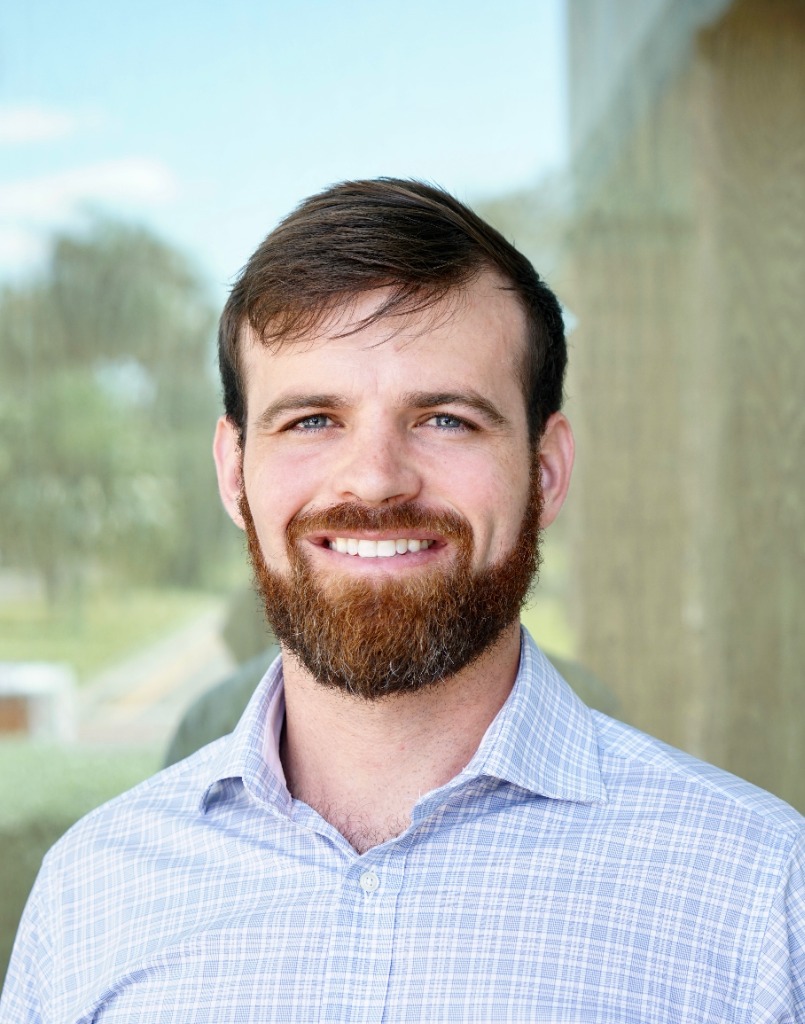
I've been on the hiring side of the table.
I spent years recruiting IT talent for Fortune 500 companies like IBM and AT&T, so I know exactly what employers look for. I've built products used by hundreds of thousands of people. And for the past 5 years, I've coached high school and college students 1:1, helping them build the habits and clarity that carry into every stage of life.
What students walk away with
From the post-program survey. Every student quoted here rated the process 9 out of 10.
Self-knowledge, and a career that fits
"I found this process very helpful in so many ways. It helped me learn different aspects of myself as well as learning what career would suit me best."
Choices that got easier to narrow down
"It was valuable because he helped me understand a lot more about the process and made it easier for me to narrow down choices."
Depth, and a clear next step
"I learned a lot about myself along with what I could learn outside of school and what I could be doing with the rest of my life. I really appreciate how in depth it went to find what I wanted to do and figuring out what to do next."
Anonymous survey responses, lightly edited for spelling. Names withheld for student privacy.
What parents ask before starting
Can parents be involved in the coaching process?
Yes. Parents are encouraged to join the initial consultation, and I share progress as we go. The balance matters: you get visibility and peace of mind, while your student gets the autonomy to take ownership of their path.
Is high school too early to work on careers?
No. It is the ideal time, because career decision-making is a skill built through practice. Starting in high school gives students years of low-stakes reps before the first high-stakes decision arrives: choosing a college major or vocational path. They make that choice with direction instead of guessing.
What does coaching look like week to week?
Regular 1:1 video sessions with clear action items between them. Students build their profile in AIPA Pathways, explore matched careers, complete targeted projects, and practice modern tools including AI. Every session ends with a concrete next step.
How do I know if it's working?
You will see the artifacts. A completed career profile, a researched short list, an action plan, finished projects, and applications submitted. Progress here is visible work product, not vague feelings of motivation.
What if my student isn't interested in coaching?
Most students are more open than their parents expect. On the pre-program survey, students rated their openness to working with a coach 9 out of 10 on average, and every student rated it 8 or higher. Parents join the free call, so we talk about fit honestly before anyone commits.
What is executive function coaching?
Executive function coaching builds the mental skills needed to plan, focus, and follow through, and it is especially valuable for students with ADHD. We create systems that work with your student's brain, not against it. I have been a certified executive function coach since 2022.
Give your student clarity and momentum
Book a free 20-minute call. Here is exactly what we cover.
- 1Where your student is today
- 2Where they want to go
- 3Whether this is the right fit. No pressure either way.